Prepare Smarter for Cisco 350-401 ENCOR
Preparing for the Cisco 350-401 ENCOR exam requires more than memorizing networking concepts. Candidates should understand the official exam blueprint, focus on high-weightage domains, and develop practical knowledge of enterprise networking technologies.
Understand the ENCOR Exam Blueprint
The current Cisco ENCOR v1.2 blueprint covers six major domains:
| Exam Domain | Weightage |
|---|
| Architecture | 15% |
| Virtualization | 10% |
| Infrastructure | 30% |
| Network Assurance | 10% |
| Security | 20% |
| Automation and Artificial Intelligence | 15% |
Which Topics Should You Focus On?
Infrastructure (30%) – Highest Priority
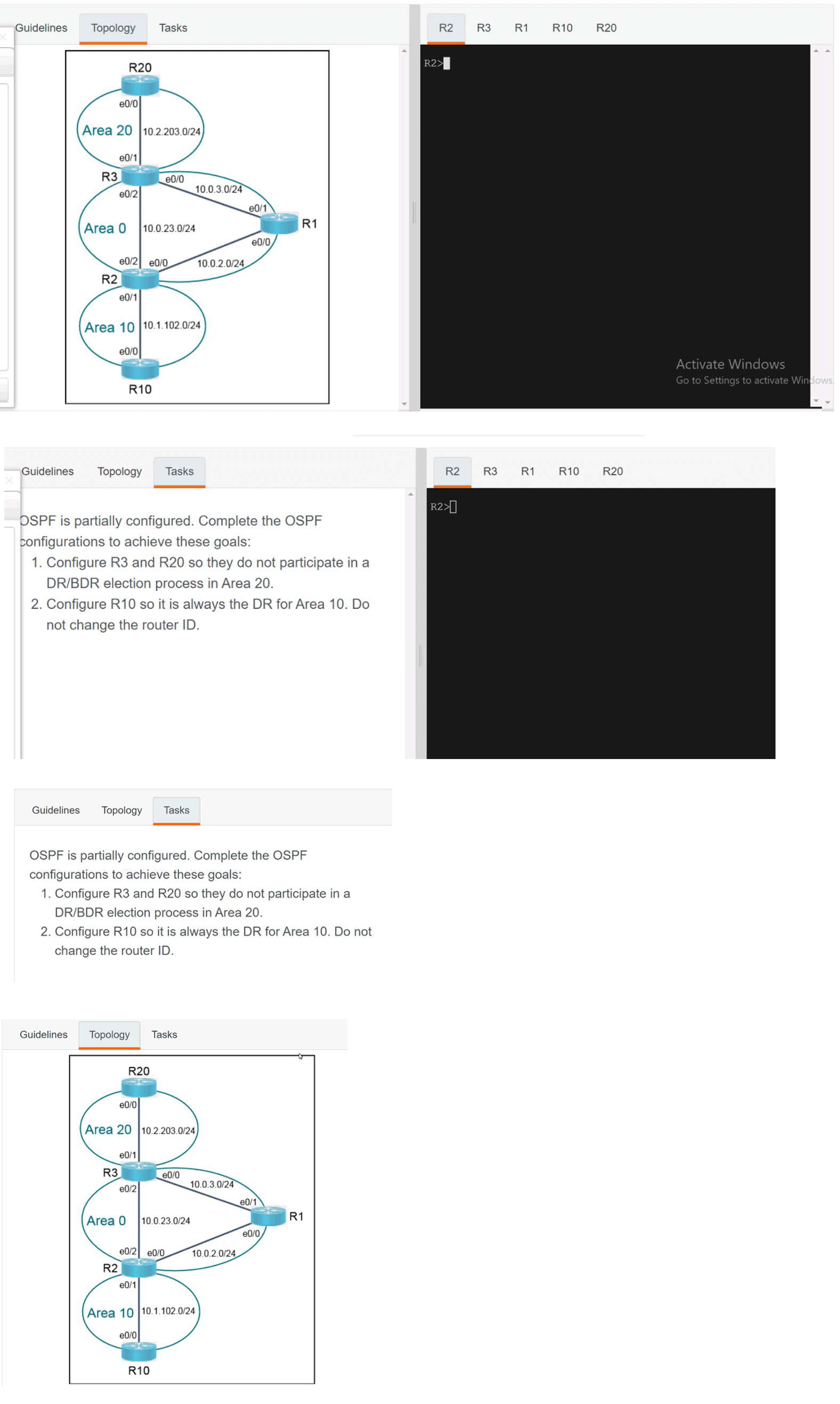
Focus on VLANs, STP, EtherChannel, OSPF, EIGRP, BGP, NAT, first-hop redundancy, and multicast.
Security (20%)
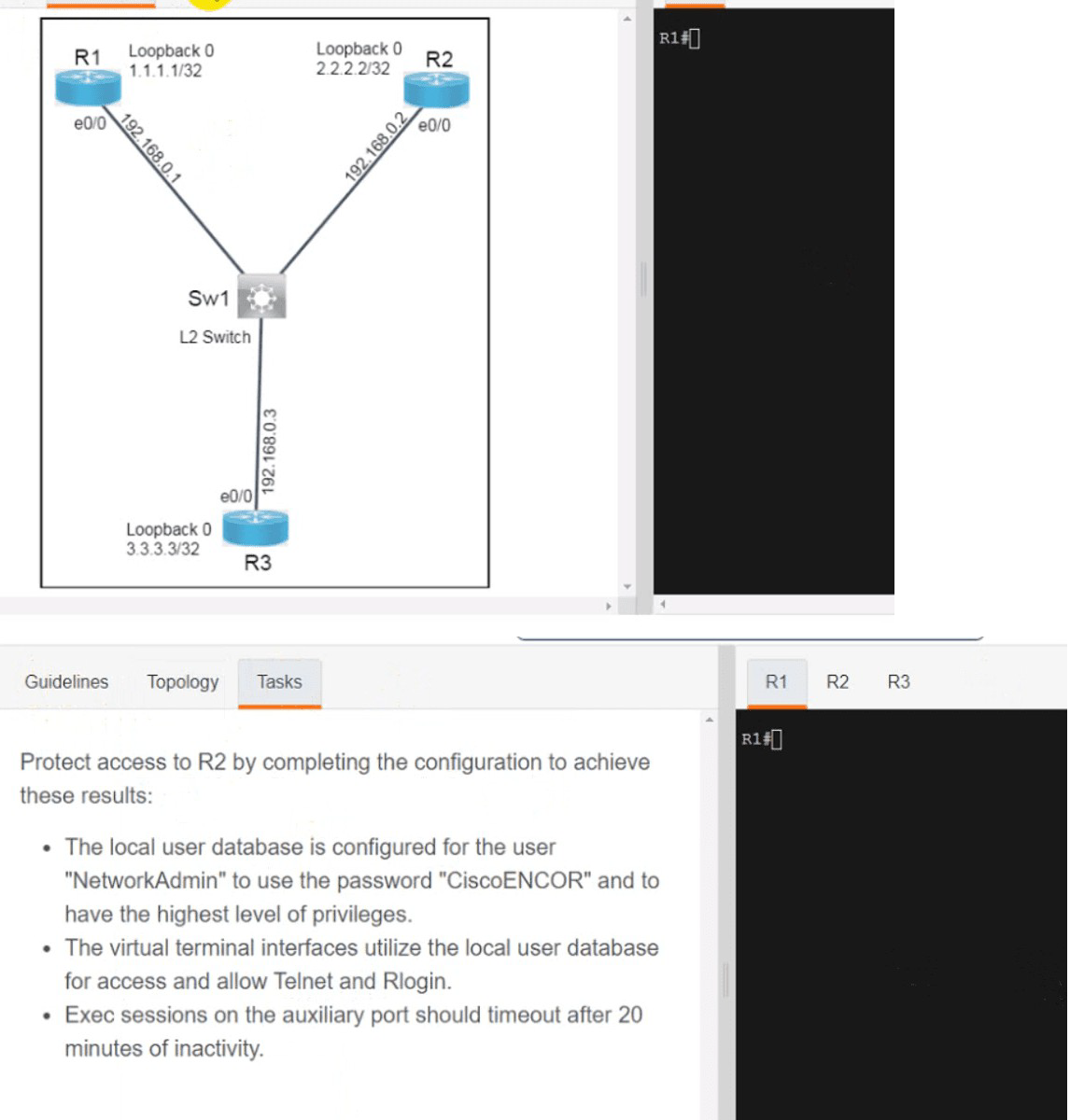
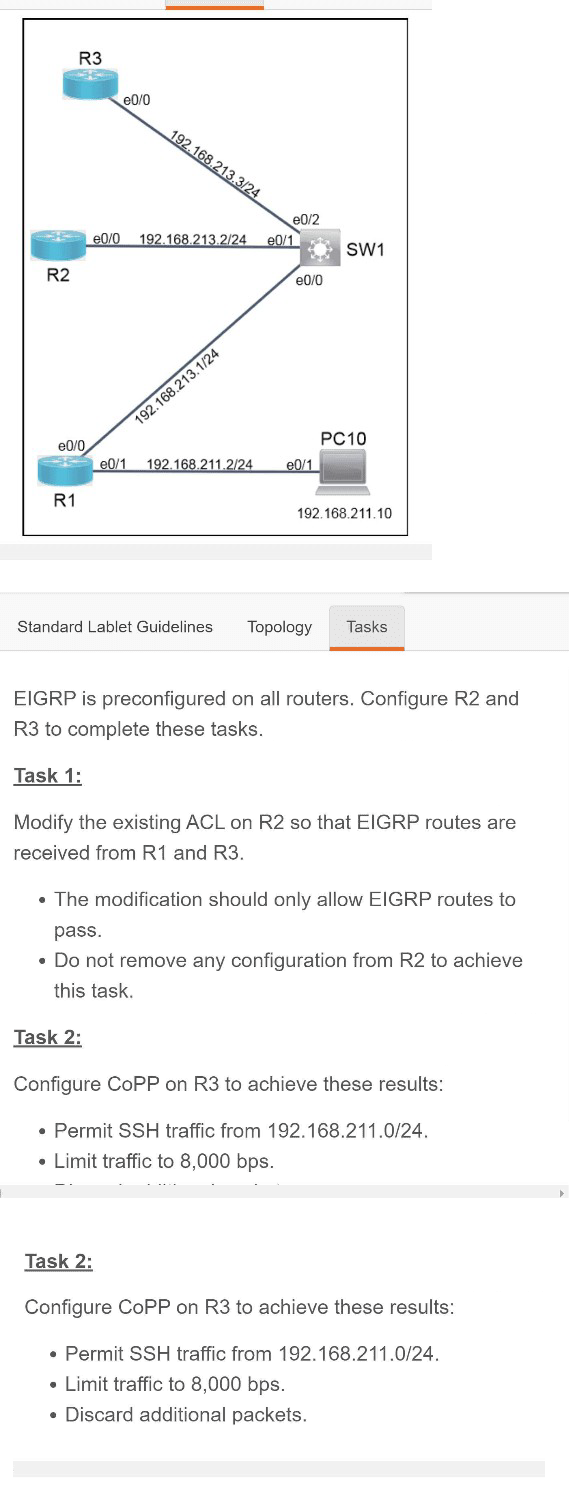
Study AAA, Access Control Lists (ACLs), Control Plane Policing (CoPP), device security, and network security principles.
Architecture (15%)
Understand enterprise network design, high availability, SD-WAN, SD-Access, and Quality of Service (QoS).
Automation and AI (15%)
Prepare Python fundamentals, JSON, YANG, REST APIs, NETCONF, RESTCONF, and network automation concepts.
Virtualization (10%)
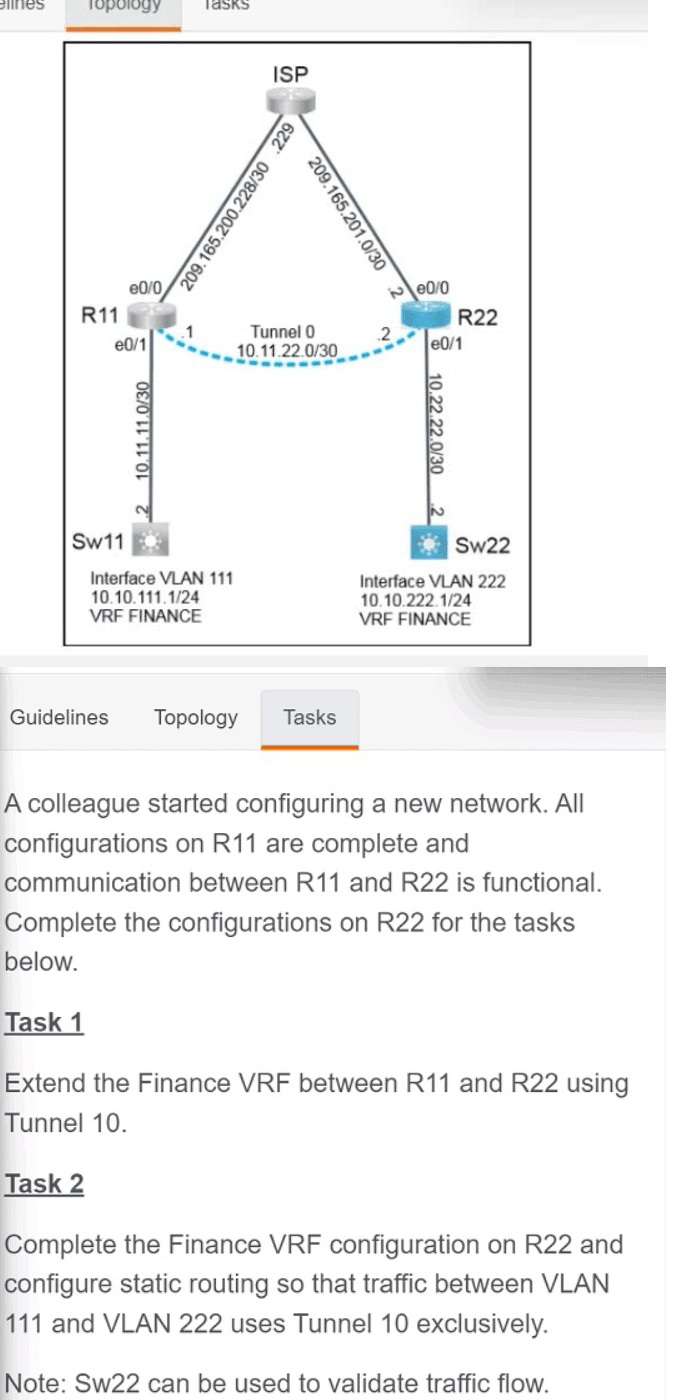
Focus on hypervisors, virtual machines, VRF, GRE, IPsec, LISP, and VXLAN.
Network Assurance (10%)
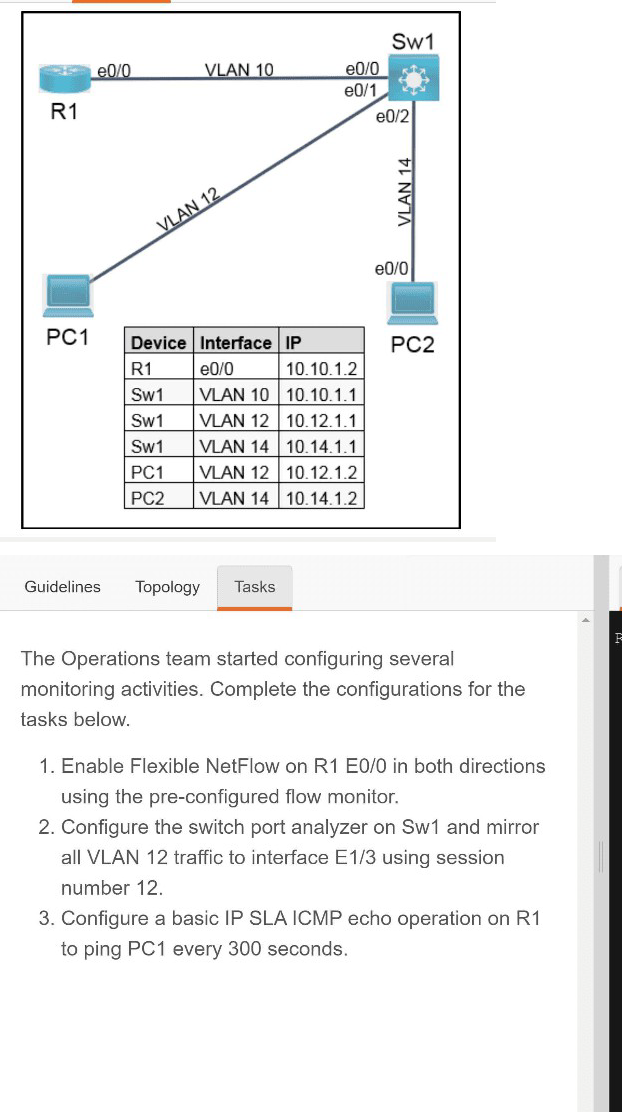
Study network troubleshooting, NetFlow, SPAN, IP SLA, monitoring, and telemetry.
How Should You Prepare?
Follow the official Cisco v1.2 exam blueprint.
Give extra preparation time to Infrastructure and Security.
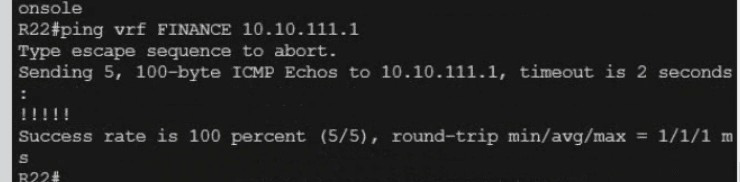
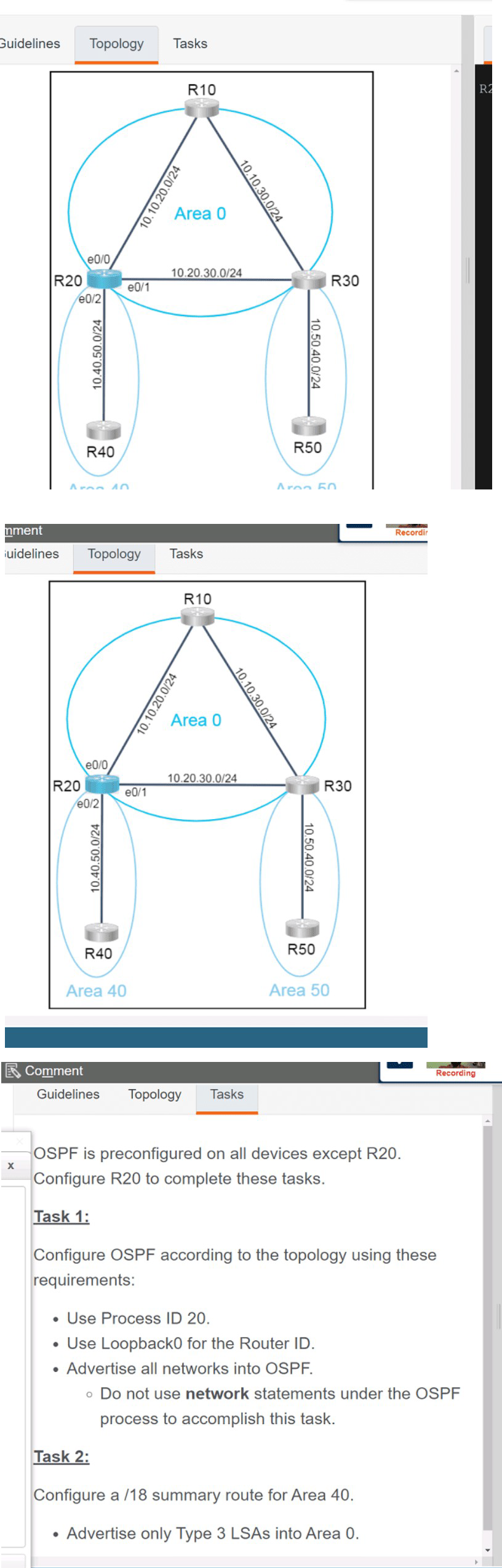
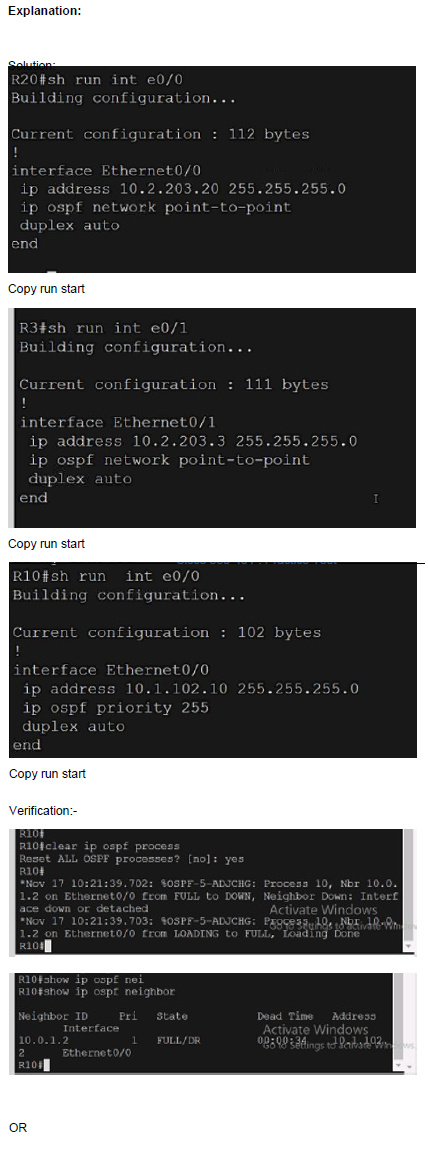
Practice interpreting Cisco configurations and command outputs.
Understand troubleshooting scenarios instead of memorizing definitions.
Review weaker topics regularly.
Combine practice tests with hands-on labs and official study resources.
How Cistified Can Help
Use Cistified's free ENCOR practice questions to review important concepts and understand technical topics through answer explanations.
For additional preparation, use our paid mock tests to assess your knowledge, practise under exam-like conditions, and identify areas that need improvement.
Preparation Tip: Focus on understanding the technologies, interpreting configurations, and applying networking concepts to real-world scenarios rather than relying only on memorization.
Routing and Switching Scenarios You Should Practice
Enterprise networks depend on reliable routing and switching. When preparing for the ENCOR exam, practice scenarios involving:
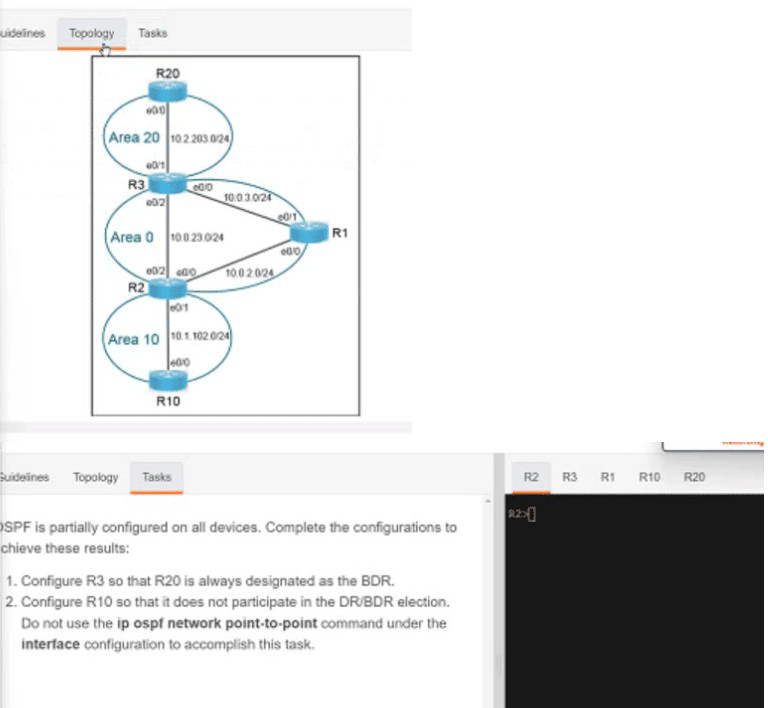
Troubleshooting OSPF neighbor relationships and route advertisements.
Identifying BGP peering problems and interpreting routing information.
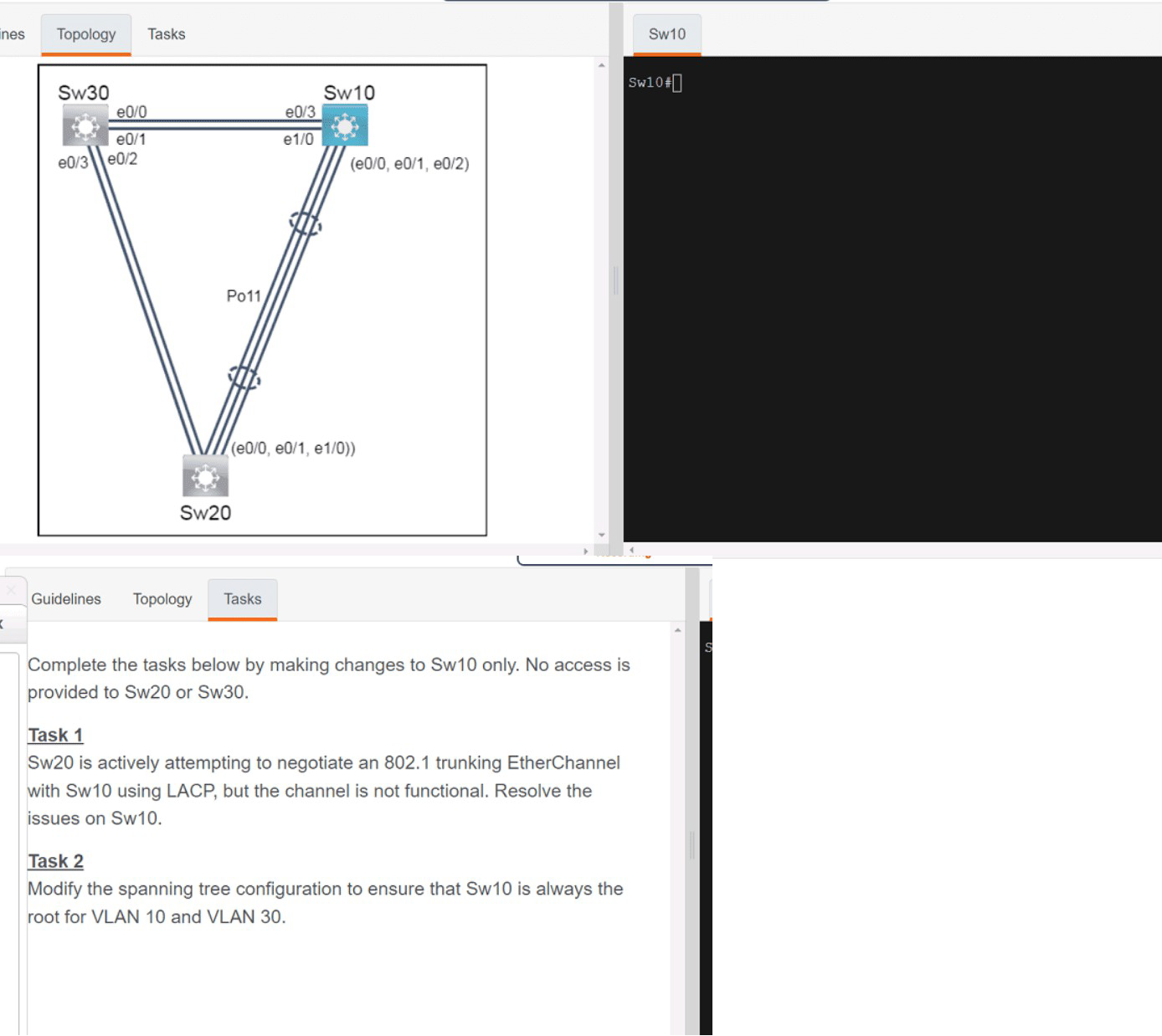
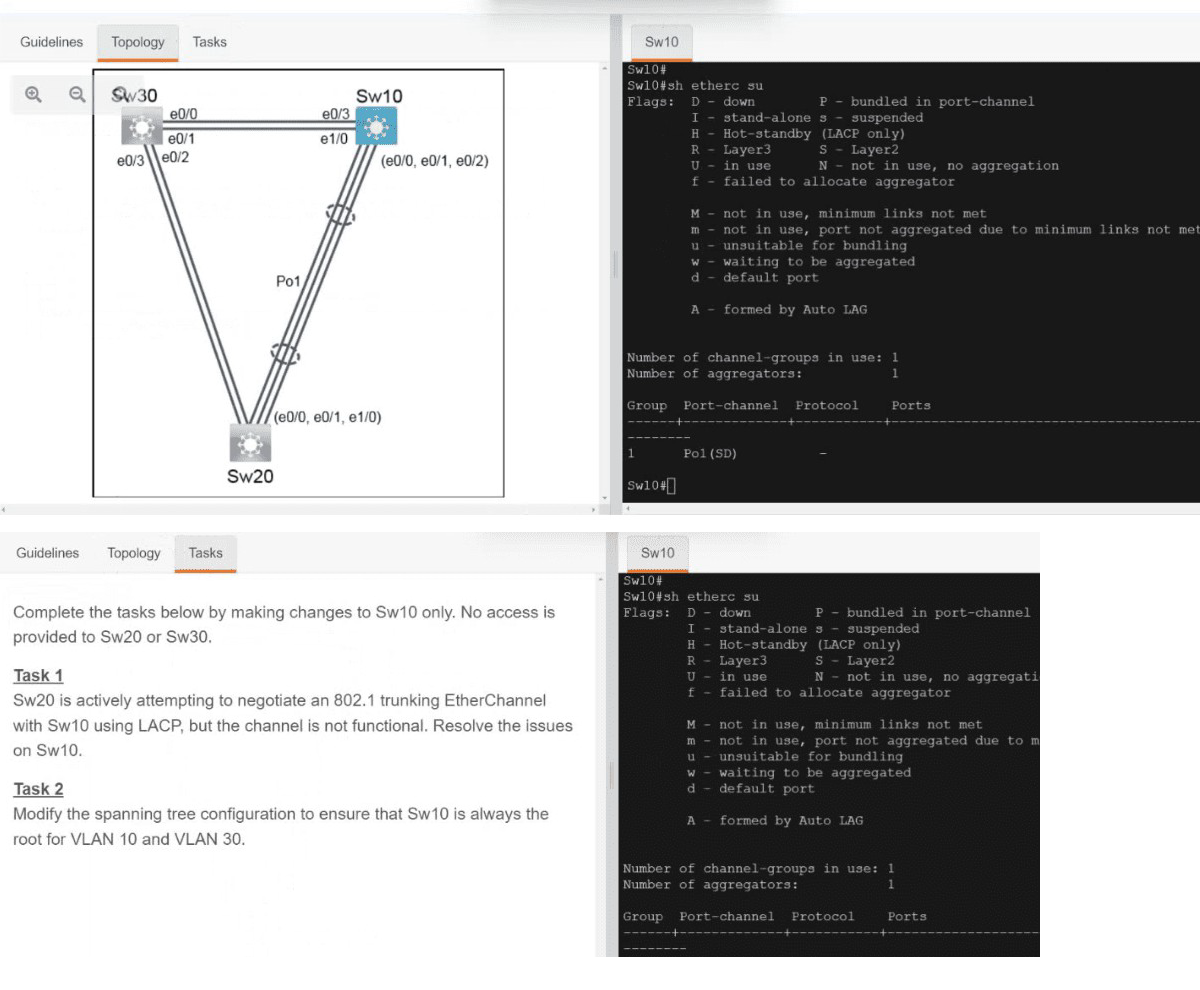
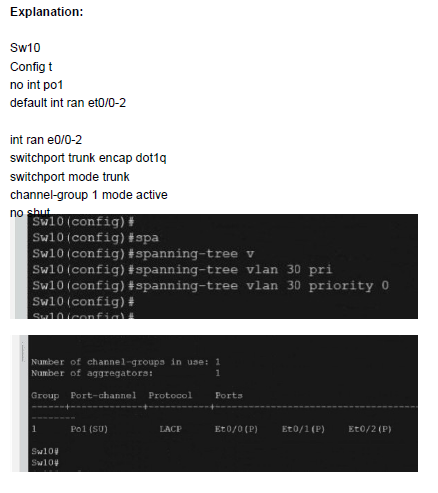
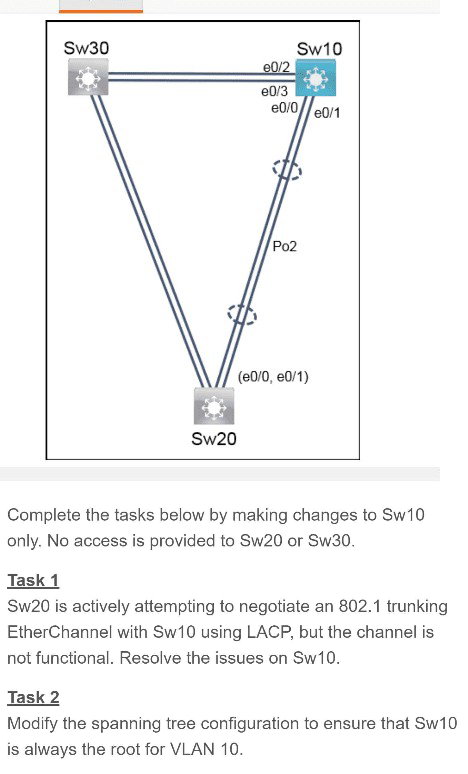
Resolving VLAN trunking and EtherChannel configuration mismatches.
Understanding how Spanning Tree prevents Layer 2 loops.
Verifying HSRP operation during gateway failover.
Try to explain what caused each problem and which verification command would help identify it.
Network Troubleshooting Commands to Understand
Cisco CLI commands are essential for examining network behavior. Become familiar with these examples:
| Cisco Command | What It Helps You Check |
|---|
show ip ospf neighbor | OSPF neighbor relationships |
show ip bgp summary | BGP peer status |
show interfaces trunk | VLAN trunk configuration |
show etherchannel summary | EtherChannel status |
show spanning-tree | Spanning Tree operation |
show ip route | Routing table information |
Focus on interpreting command output rather than simply memorizing command names.
How Automation Skills Fit into ENCOR Preparation
The ENCOR v1.2 exam includes network automation and AI-related concepts. Candidates should understand how REST APIs support network management, how JSON represents structured data, and how Python scripts can automate repetitive tasks.
You should also be able to recognize basic YANG concepts and understand the role of Cisco Catalyst Center in network automation.
How to Measure Your Exam Readiness
Completing practice questions is useful, but your score should not be the only measure of readiness. Review whether you can:
Explain why an answer is correct and why other options are incorrect.
Identify configuration errors from networking scenarios.
Interpret routing, switching, and security information.
Apply networking concepts without relying on memorized answers.
Recognize topics that require additional hands-on practice.
Use your practice-test results to identify weak areas and revisit them before taking another timed mock exam.