How to Prepare for the Cisco CCNA 200-301 Exam
Preparing for the Cisco Certified Network Associate (CCNA) 200-301 exam requires a clear understanding of networking concepts, practical configurations, and troubleshooting.
The current CCNA v1.1 exam is 120 minutes long and covers six major networking domains.
1. CCNA Exam Blueprint & Weightage
Understand how Cisco distributes the exam content:
| Exam Domain | Weightage |
|---|
| Network Fundamentals | 20% |
| Network Access | 20% |
| IP Connectivity | 25% |
| IP Services | 10% |
| Security Fundamentals | 15% |
| Automation & Programmability | 10% |
Study Tip: Give extra attention to IP Connectivity because it carries the highest weightage. However, prepare all six domains.
2. Important Topics to Prepare
Focus on these areas while studying:
Network Fundamentals: OSI and TCP/IP models, IPv4/IPv6 addressing, subnetting, network devices, and wireless basics.
Network Access: VLANs, trunking, inter-VLAN routing, STP, EtherChannel, and wireless architectures.
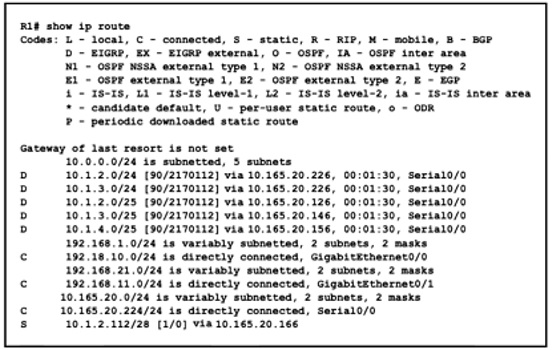
IP Connectivity: Routing tables, static routing, OSPF, default routes, and routing decisions.
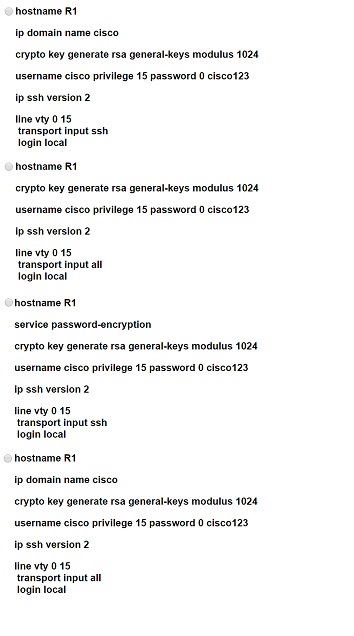
IP Services: DHCP, DNS, NAT, NTP, SNMP, Syslog, SSH, and QoS.
Security Fundamentals: ACLs, port security, VPNs, authentication, and wireless security.
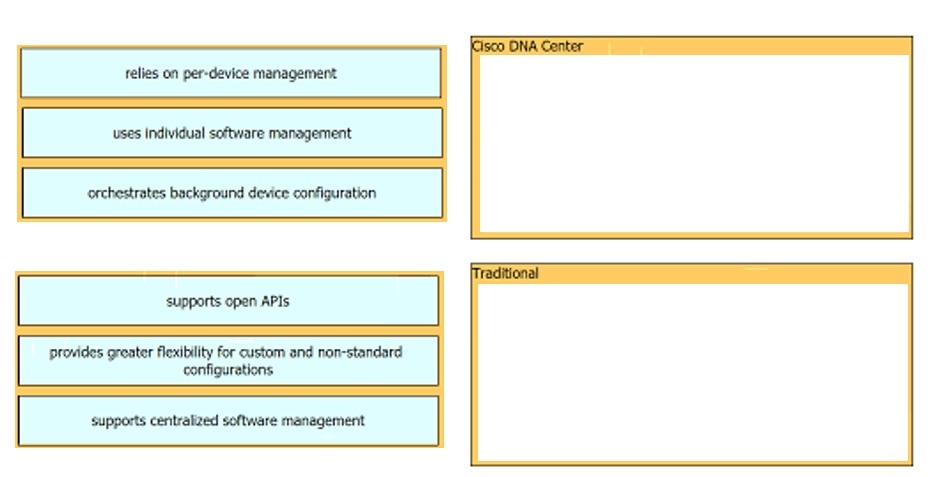
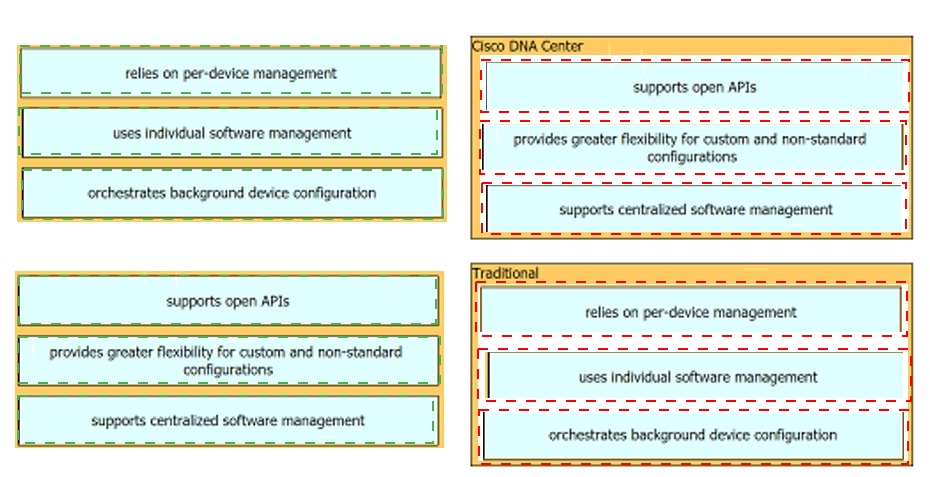
Automation & Programmability: APIs, JSON, controller-based networking, AI, machine learning, and network automation.
3. What Should You Focus on More?
Do not rely on memorization alone. Prioritize:
Understanding networking concepts and protocols.
Practicing subnetting and IP addressing regularly.
Learning Cisco IOS configuration commands.
Understanding routing and switching operations.
Practicing network troubleshooting scenarios.
Reviewing automation and security fundamentals.
4. Prepare with Cistified Practice Tests
Test your knowledge with Cistified's CCNA preparation resources.
Free Practice Questions: Review important concepts and identify knowledge gaps.
Paid Mock Tests: Practice under timed conditions, evaluate your preparation, and identify topics that need improvement.
Use your practice results to guide revision rather than simply memorizing answers.
5. Final Preparation Advice
Follow the official Cisco exam blueprint, practice configurations, revise weak topics, and take regular mock tests. Consistent preparation and practical understanding will help you approach the CCNA exam with greater confidence.
Important Exam Update: Cisco CCNA v1.1 testing ends February 2, 2027. The updated v2.0 exam begins February 3, 2027. Check the applicable blueprint before booking your exam.
CCNA 200-301 v2.0 Exam Topics and Weightage
The Cisco CCNA 200-301 v2.0 exam introduces an updated syllabus focused on network troubleshooting, switching, routing, security, and AI-assisted network operations. The updated exam takes effect on February 3, 2027, replacing version 1.1.
Cisco divides the CCNA v2.0 exam into five domains, each with a specific percentage of the total exam.
| CCNA v2.0 Exam Domain | Weightage |
|---|
| Network Infrastructure and Connectivity | 25% |
| Switching and Network Access | 25% |
| IP Routing | 20% |
| Network Services and Security | 20% |
| AI, and Network Operations and Management | 10% |
| Total | 100% |
Which CCNA v2.0 Topics Should You Focus On?
Network Infrastructure and Connectivity (25%): Practice IPv4 and IPv6 troubleshooting, subnetting, cable and interface errors, wireless connectivity, DHCP issues, and virtualization fundamentals.
Switching and Network Access (25%): Focus on VLANs, trunk configuration, EtherChannel, switch virtual interfaces, Rapid PVST+, port security-related operations, and Layer 2 troubleshooting.
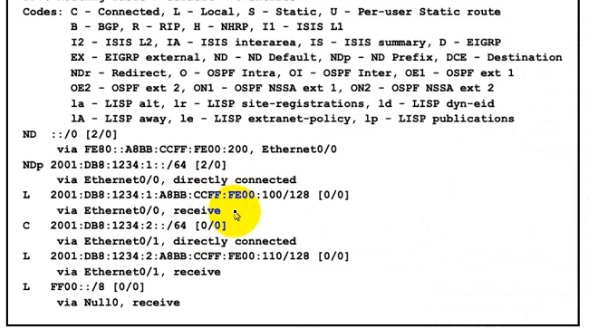
IP Routing (20%): Learn routing table interpretation, IPv4 and IPv6 static routes, single-area OSPFv2 and OSPFv3 configuration, and first-hop redundancy protocols.
Network Services and Security (20%): Prepare for NAT/PAT, access control lists, AAA authentication, DNS troubleshooting, VPN fundamentals, DHCP snooping, and Dynamic ARP Inspection.
AI, and Network Operations and Management (10%): Understand agentic AI, generative AI prompts for network operations, network management approaches, SNMP, Ansible configuration management, and syslog analysis.
How to Prepare for the Updated CCNA Exam
Start with Network Infrastructure and Switching, which together account for 50% of the exam blueprint. Strengthen your routing and security knowledge through configuration exercises and troubleshooting scenarios.
Use CCNA 200-301 practice questions to identify weak topics, review explanations, and reinforce technical concepts. Combine these questions with hands-on Cisco networking labs before attempting a timed CCNA mock exam.
Official Source: Cisco CCNA 200-301 v2.0 Exam Topics (PDF)